







Search Results for: freshly ground
The freshly ground coffee sector continues to heat up: a full analysis of market size, consumption scenarios, and industry landscape
In recent years, domestic coffee consumption has continued to surge, and freshly ground coffee, as the category with the greatest growth potential, is attracting more and more consumers' attention. From instant coffee dominance to the rise of freshly ground coffee, the structure of China's coffee market is undergoing profound changes. Chain brands are accelerating expansion, cross-industry players are entering the market one after another, and the rise of health-conscious consumption concepts has also injected new momentum into freshly ground coffee. At the same time, the two-way drive from both the supply side and the demand side is pushing the entire industry onto a fast track. This article will comprehensively sort out the development status and future trends of the freshly ground coffee industry from multiple dimensions such as market size, consumption scenarios, and brand competition, helping you understand the full picture of this hot track in one article. [more…]
Is freshly ground coffee powder really better? Flavor differences between pre-ground and freshly ground coffee and key storage points
In the specialty coffee world, "use only freshly ground coffee" is almost treated as gospel, but does this rule hold true in every situation? This article takes an in-depth look at the differences between pre-ground and freshly ground coffee in terms of flavor, aroma, and extraction performance, analyzes why coffee grounds deteriorate faster once exposed to air, and offers practical storage tips such as sealing, vacuuming, and keeping them away from light. At the same time, we'll also explore an easily overlooked fact: if all you have is a poor-quality blade grinder, pre-ground coffee from the shop may actually come out ahead. The article also cites practical insights from Ken Selby, 2018 U.S. Cup Tasters champion, and Alex Choppin, technical specialist at Baratza, to help you make a smarter choice based on your own equipment. [more…]
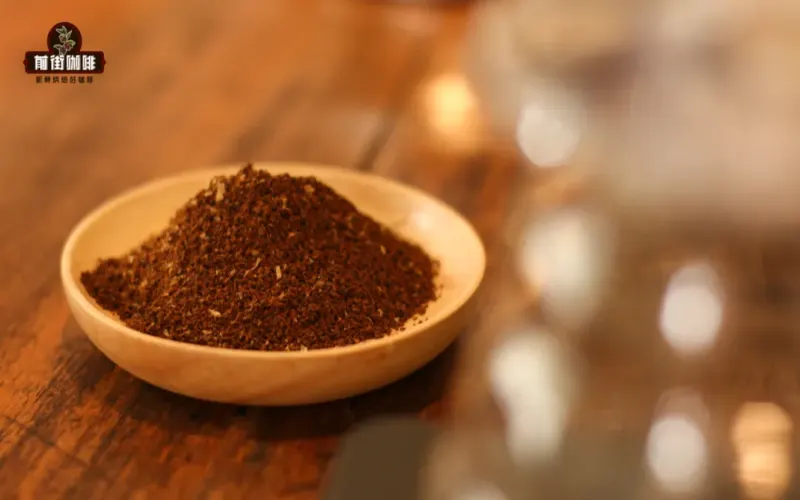
What Is the Difference Between Freshly Ground and Pre-Ground Coffee? The Principles Behind Drip Bag Coffee and Tips for Brewing a Delicious Cup
They're both coffee grounds, so why do some people insist it has to be freshly ground? What are the real differences between freshly ground and pre-ground coffee? And how exactly is drip bag coffee made? From the perspective of Front Street, this article breaks down one by one the essential differences between freshly ground coffee and pre-ground coffee, explains the critical impact of freshness on flavor expression, and further introduces the birth process of drip bag coffee as well as the brewing tips that make it taste better—helping coffee lovers avoid detours in their daily choices and brewing. [more…]
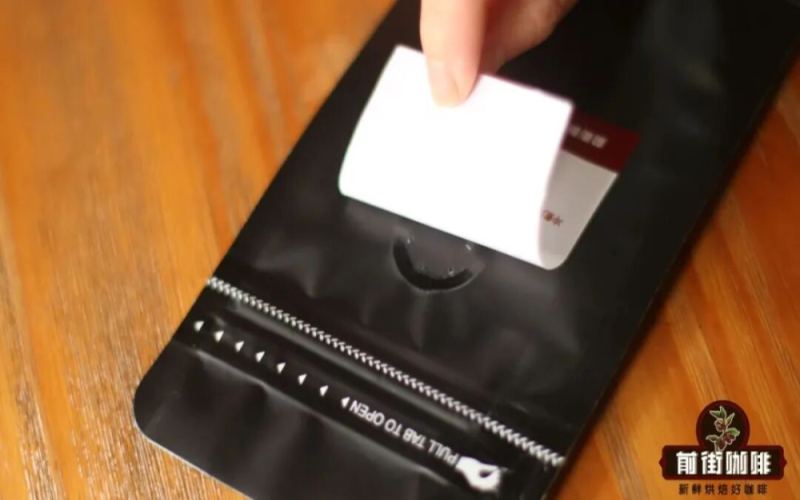
Should coffee beans be ground in advance? Examining the flavor differences between freshly ground and pre-ground coffee through a freshness experiment
Many friends, to save effort, ask the merchant to grind the coffee beans into powder directly when buying. But after grinding, how long can the coffee's flavor be preserved? And how should it be stored properly? Drawing on long-term experience and comparative experiments, Front Street starts from the coffee beans' flavor window, analyzes the loss patterns of carbon dioxide and aromatic compounds after grinding, and uses a bag of washed Yirgacheffe for day-by-day testing, recording the dry aroma, blooming performance, and flavor changes from freshly ground to after several days of storage, helping you judge whether pre-ground coffee powder is worth buying, and how to retain that fresh aroma as much as possible. [more…]
Are freeze-dried coffee and freshly ground coffee powder the same thing? A full analysis of instant coffee shelf life
In recent years, freeze-dried coffee has been gaining strong momentum and has become a popular category in the instant coffee sector. However, Front Street Coffee has noticed that many consumers hold considerable misconceptions about freeze-dried coffee—some mistake freshly ground coffee powder for freeze-dried coffee and brew it directly, while others believe that the quality of freeze-dried coffee is already on par with freshly ground coffee. These misunderstandings arise partly because the appearance of freeze-dried coffee blocks does bear some resemblance to freshly ground coffee powder, and partly because merchants often promote it as "comparable to fresh ground," further blurring the line between the two. In fact, freeze-dried coffee and freshly ground coffee belong to completely different product categories and have no basis for direct comparison at all. This article will start from the production process to clarify the essence of freeze-dried coffee and explore the differences in shelf life between coffee powder and instant coffee. [more…]
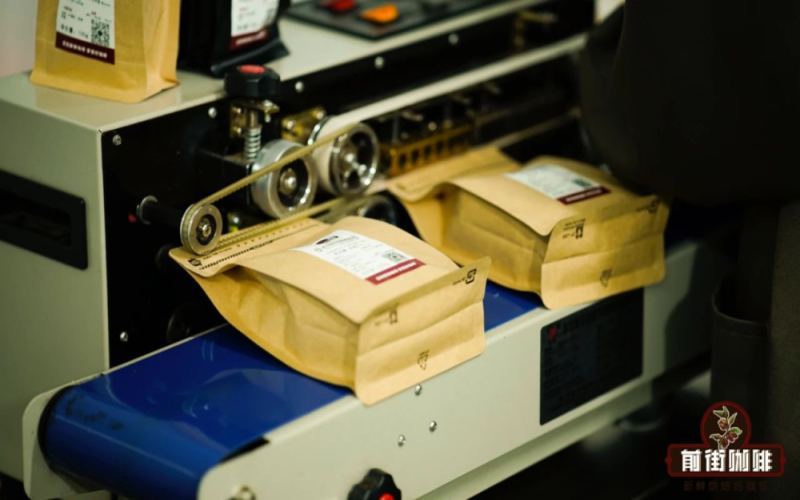
Must-Read for Coffee Beginners: Correct Storage Methods and Optimal Flavor Period for Freshly Roasted Coffee Beans and Freshly Ground Coffee
Friends who have just gotten their hands on freshly roasted coffee beans are often puzzled: the one-way valve on the coffee bag is clearly meant to release carbon dioxide, so why seal it off once the beans are ground? In fact, this comes down to the logic of preserving coffee flavor—whole beans release gas slowly, but once ground, flavor loss accelerates dramatically. Front Street Coffee has accumulated extensive experience in daily roasting and packaging. This article will systematically walk beginners through the key points of storing fresh coffee—from the function of the one-way valve, whether ground coffee needs resting, the difference between shelf life and peak flavor period, to the storage methods best suited to whole beans and ground coffee respectively—to help you enjoy a full-flavored cup within the optimal window. [more…]
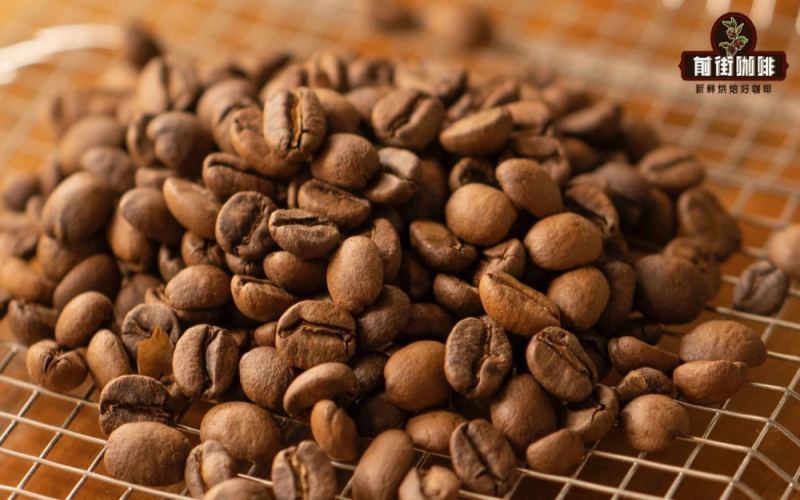
A Detailed Guide to the Freshness Differences Between Whole Coffee Beans and Ground Coffee, and How to Store Them
The flavor of coffee is closely tied to its freshness, and there is a significant difference in how long coffee beans and ground coffee stay fresh. Whole coffee beans, with their smaller surface area, generally maintain their freshness longer than ground coffee. This article will cover common questions about the storage life of coffee beans versus ground coffee, how to choose storage containers, and whether refrigeration or freezing is suitable, while sharing practical storage tips from Front Street Coffee to help coffee lovers preserve the aroma and taste of their coffee as much as possible from purchase to brewing. [more…]
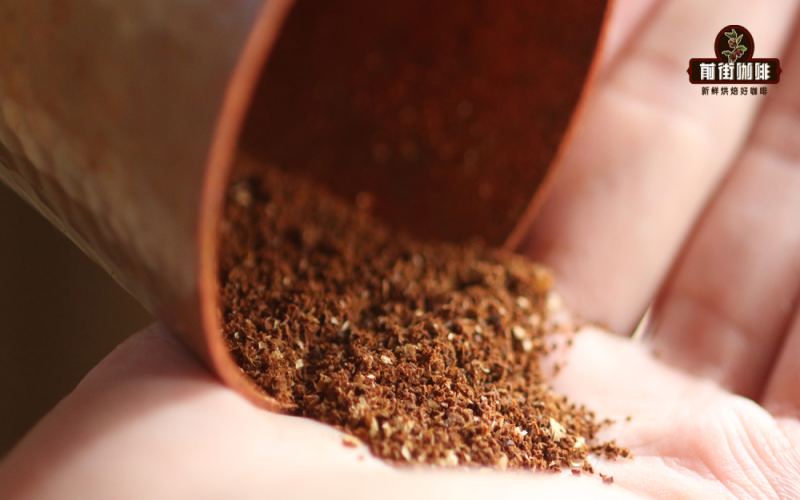
Three Major Causes of Coffee Ground Quality Decline and Practical Storage Tips to Extend Freshness
The freshness of ground coffee directly determines the quality of the flavor in your cup. Starting from the gas release patterns of coffee beans after roasting, this article provides a detailed analysis of how the three major factors—oxygen, moisture, and high temperature—accelerate the deterioration of ground coffee quality, and shares Front Street Coffee's storage recommendations. At the same time, through Front Street's comparative experiments and day-by-day flavor tests of Yirgacheffe, it reveals the timeline of aroma loss after coffee is ground into powder, helping you retain as much of coffee's essential aroma as possible in your daily brewing. [more…]
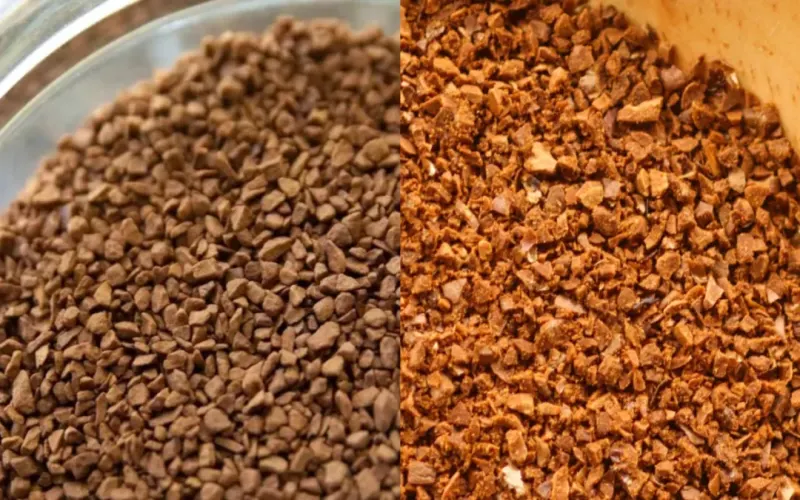
How is freeze-dried coffee different from instant coffee? What does the freeze-drying process mean? How does it compare to freshly ground coffee—which is better or worse?
In recent years, freeze-dried coffee, with its appearance and promotional campaigns, has led many consumers to mistakenly believe it can be mentioned in the same breath as freshly ground coffee—even giving rise to the blunder of brewing freshly ground coffee powder as if it were freeze-dried coffee. So what exactly is freeze-dried coffee? What are the essential differences between it and traditional instant coffee in terms of production processes? And is it truly comparable to freshly ground coffee? This article, from the perspective of Front Street, systematically sorts out the definition of freeze-dried coffee, its production process, and its differences from traditional instant coffee, helping coffee enthusiasts clarify the concepts and take a rational view of the relationship between freeze-dried coffee and freshly ground coffee. [more…]
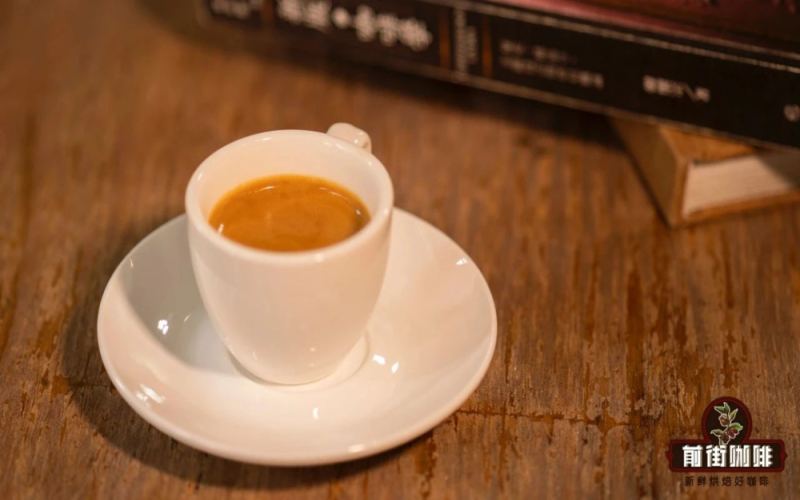
An In-Depth Analysis of the Core Differences Between Freshly Ground and Freshly Roasted Coffee, Plus Where to Buy Fresh Coffee Beans and a Recommendation for the Front Street Coffee Roasting Brand
In the pursuit of coffee freshness, freshly ground and freshly roasted are often lumped together, yet the meanings and values they represent are entirely different. The core of freshly ground lies in releasing the fullest aroma of the coffee beans, but once ground into powder, the aromatic substances dissipate rapidly, so it must be consumed as soon as possible, and all of this presupposes that the coffee beans themselves are fresh enough, with a roasting date generally recommended to be within 50 days. Freshly roasted, on the other hand, is about guaranteeing the freshness of the coffee beans from the source, because roasted beans continue to release gas, and once stored for more than a month, the aroma noticeably fades and the flavor suffers greatly. This article will deeply analyze the essential differences between the two, and recommend the Front Street Coffee brand, which specializes in self-roasting, introducing its rich product line and its promise of fresh roasting within 5 days, to help coffee lovers find a reliable purchasing channel. [more…]
Should coffee beans be stored in the refrigerator? How long can they stay fresh after grinding? This article explains shelf life and flavor changes clearly.
Coffee enthusiasts often struggle with storage questions: should coffee beans be put in the refrigerator after purchase? And how long can they be stored once a merchant has ground them into powder? The impact of freshness on flavor is self-evident, but ground coffee has a dramatically increased surface area exposed to air, causing aromas to dissipate far faster than with whole beans. Drawing on Front Street Coffee's practical experience and comparative experiments, this article sorts out the optimal flavor window for coffee beans, the finer points of storage environments, and how ground coffee's flavor evolves over different storage days, helping you find a balance between convenience and quality. If you're also in the habit of stockpiling ground coffee all at once or grinding ahead of time, this piece is worth a read. [more…]
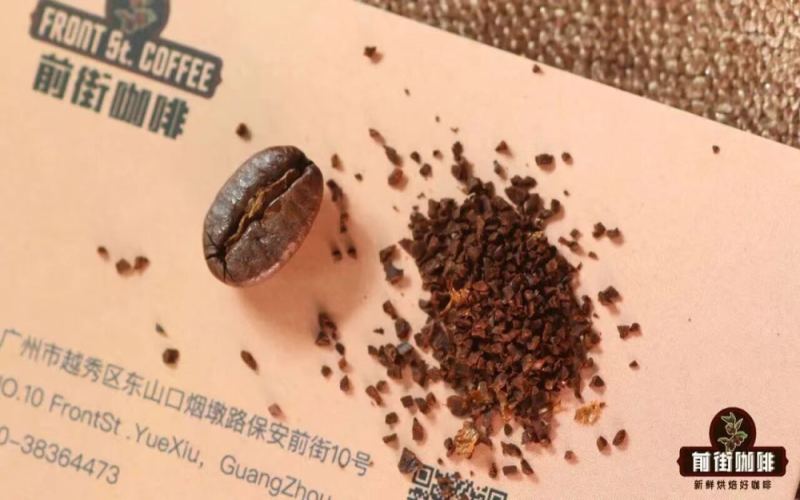
Coffee Bean Peak Flavor Window | Can Washed Yirgacheffe Pour-Over Coffee Grounds Be Stored in the Refrigerator? Is There a Big Flavor Difference Between Roasted Coffee Beans and Freshly Ground Coffee?
Freshly ground coffee brews up more aromatic—this is already a well-worn topic, and we also know well how important freshness is to coffee flavor. But sometimes, to avoid hassle, many friends have the merchant grind the coffee beans into powder before shipping when buying beans, because then when it comes time to brew, there's no need to worry about what grind setting to use, nor [more…]
An In-Depth Analysis of Five Mainstream Coffee Forms: From Freshly Ground to Instant, How Processing Differences Determine Flavor and Health
Coffee products are dazzlingly varied, and behind the price differences, the processing method is what truly determines flavor and health. Based on overall taste and flavor, Front Street Coffee divides the mainstream coffees on the market into five tiers: freshly ground coffee ranks first thanks to its complete ingredients and fresh extraction, drip bags and capsule coffee follow closely behind for their convenience, cold brew concentrated coffee liquid sits in the middle, while freeze-dried coffee powder and traditional instant coffee rank lower. This article will break down the production principles, flavor performance, and health considerations of each type of product one by one, and intersperse Front Street Coffee's daily beans and espresso blend recommendations, helping coffee lovers see clearly the ranking logic from "solid" to "completely done for." [more…]
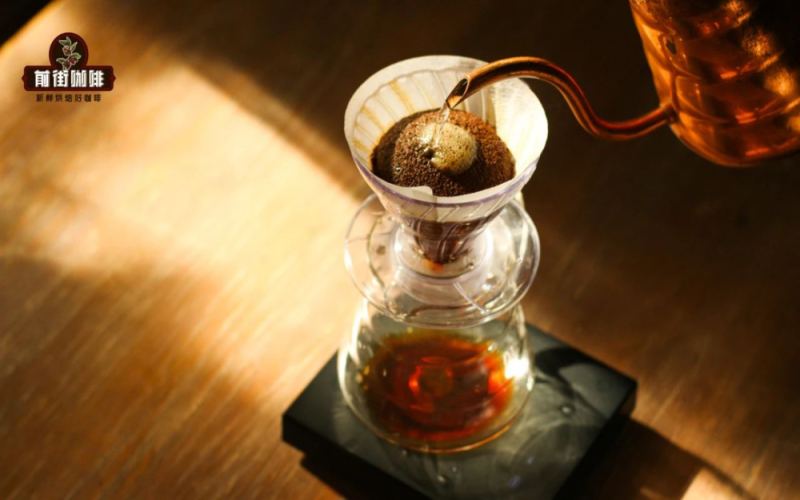
Freshly Ground Coffee vs. Drip Bag Coffee: A Freshness Comparison and a Guide to Ten Recommended Front Street Coffee Drip Bag Everyday Picks
For coffee to taste good, freshness is an unavoidable prerequisite. But what truly counts as "fresh"? The roast date, the timing of grinding, the retention of aroma—every one of these stages affects the flavor in the cup. Some people prefer the ultimate experience of freshly ground pour-over, while others value the convenience and consistency of everyday brewing. Drip bag coffee happens to sit right between the two—simple to use and varied in flavor, and as long as you choose products that are freshly roasted and ground-and-sealed, they can likewise reproduce the layered character of single-origin beans. This article first clarifies the actual differences in freshness between freshly ground and drip bag coffee, then introduces ten Front Street Coffee drip bag coffees one by one, covering different processing methods such as natural, washed, and wet-hulled, from bright fruity notes to rich, deep tones, to help you find the everyday staple that suits you. [more…]
How Long Can Ground Coffee Be Stored? Is Refrigeration Feasible and an Analysis of Proper Storage Methods
Freshly ground coffee always has a superior aroma, but to save the step of grinding, many friends choose to have the merchant grind the coffee beans into powder in advance. So, how long can coffee grounds actually be kept? How many days is the peak flavor period? Is storing them in the refrigerator really reliable? This article will start with the optimal flavor period of coffee beans, combine Front Street Coffee's comparative experiments, and provide a detailed analysis of how the flavor of ground coffee changes over time, along with correct storage recommendations to help you preserve that precious fresh aroma as much as possible. [more…]
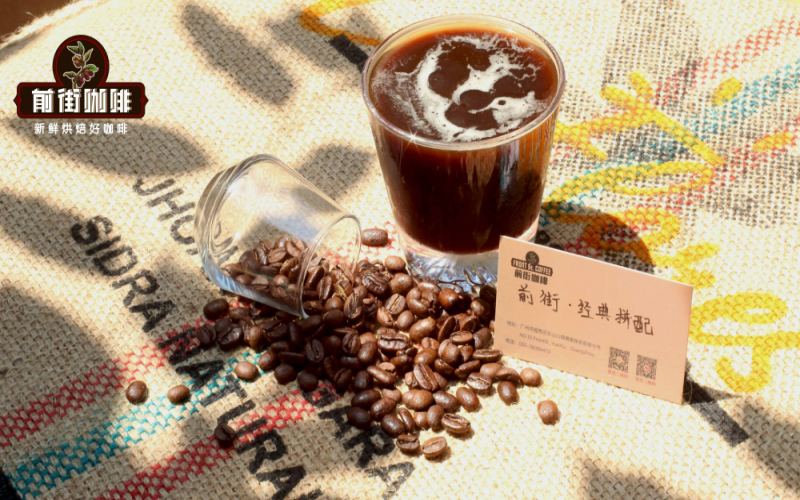
Freshly Ground Coffee Brand Recommendations and Starbucks Freshly Ground Coffee Price Analysis: A Complete Guide from Entry-Level Blends to Classic Menus
To make a delicious pour-over or espresso at home, choosing the right coffee grounds is key. This article begins with three Front Street classic blends in distinct styles—each corresponding to a rich spicy profile, a floral-fruity sweet profile, and a balanced everyday profile—helping coffee lovers at different stages find the daily beans that suit them. It then systematically outlines Starbucks' freshly ground coffee pricing system, including the small, medium, and large cup prices of common items such as cappuccino, caramel macchiato, espresso, latte, mocha, and Americano, and reveals two popular secret menu items—Marshmallow Frappuccino and Nutty Crunch Frappuccino. Whether you're a beginner just getting started or a seasoned connoisseur chasing flavor, this guide offers practical reference. [more…]
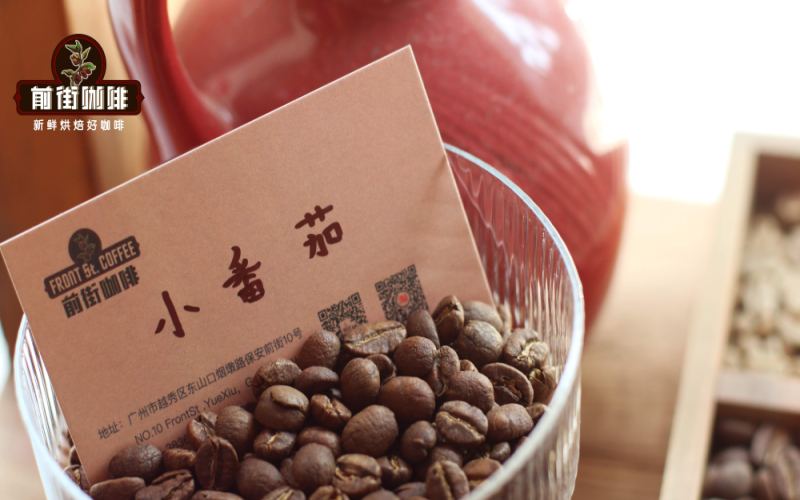
How to Store Ground Coffee | Can Ground Coffee Be Put in the Fridge? How Long Does Ground Coffee Last? How Do the Flavor and Taste Change After Coffee Beans Are Ground into Coffee Powder?
It's a well-worn topic that freshly ground coffee brews up more fragrant, and we're also well aware of how important freshness is to coffee flavor. But sometimes, to avoid hassle, many friends have the merchant grind the coffee beans into powder before shipping when buying beans, because then when it's time to brew, there's no need to worry about what grind setting to use, nor [more…]
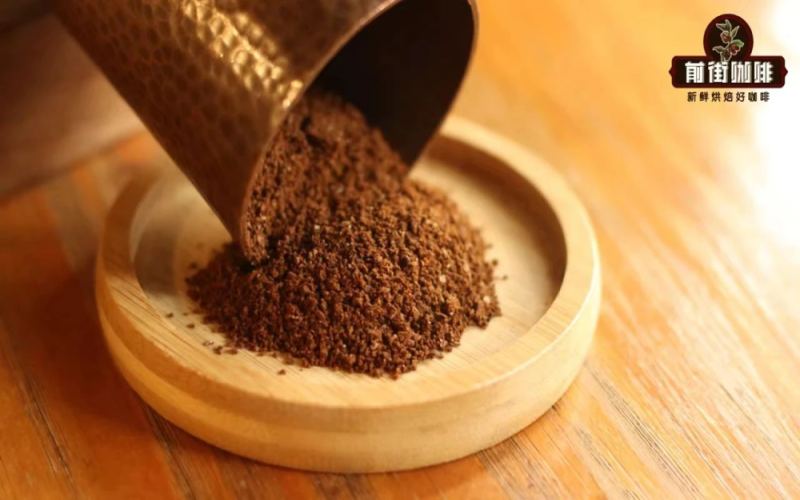
Freshly Roasted Coffee Bean Brands | What's the difference between freshly ground coffee and freshly roasted coffee? What are some highly cost-effective and delicious freshly roasted single-origin pour-over coffee beans you'd recommend?
Freshly ground and freshly roasted may sound like they are both about pursuing coffee "freshness," but their meanings and value are actually completely different. Fresh grinding is to let you taste the fullest aroma of the coffee beans, because once the beans are ground into powder, the aromatic substances will accelerate their loss, so it needs to be drunk as soon as possible. And if you want to taste freshly ground coffee, then [more…]
Should Coffee Beans Be Ground Fresh or Ground by the Seller? From Peak Flavor Window to Flavor Changes, Explained Clearly
Many coffee enthusiasts choose to have the shop grind their beans into powder when buying, for the sake of convenience—no need to adjust the grinder settings or do the grinding themselves. But once coffee is ground into powder, the aroma dissipates at a noticeably faster rate, and its peak flavor period shrinks significantly as well. Through practical comparative testing, Front Street Coffee found that well-sealed ground coffee can still maintain decent flavor within three weeks after grinding, but beyond a month, only a flat coffee taste remains. This article will start with the optimal flavor period of coffee beans, combine specific brewing experiments to analyze how coffee flavor changes after pre-grinding, and offer practical storage advice to help you decide whether to buy beans or ground coffee. [more…]
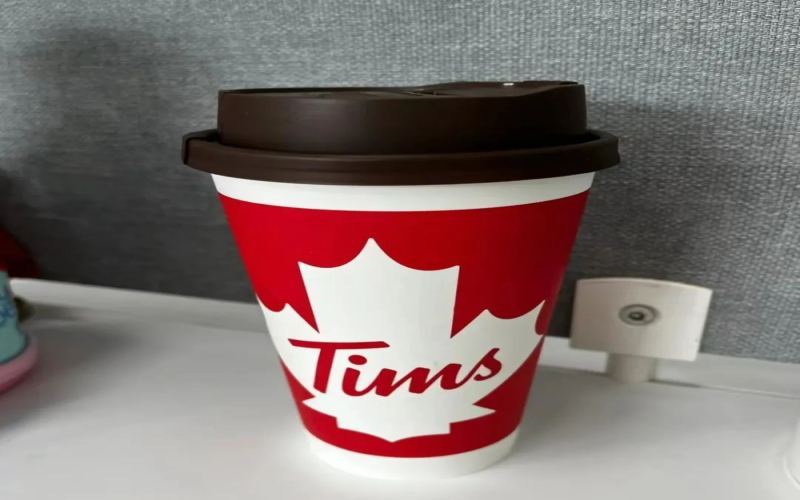
Tims Fresh Brew Coffee hit by customer complaints of excessive coffee grounds at the bottom of the cup; customer service says sediment is normal, sparking heated discussion.
Chain coffee brands each have their own memorable selling points, and Tims China (Tims天好咖啡) has gained popularity with its bagels and Fresh Brew coffee. Fresh Brew coffee is similar to drip pour-over, with less oil and a refreshing taste, favored by many enthusiasts. But recently, some netizens reported that the Fresh Brew coffee they bought at Tims had a large amount of coffee grounds left at the bottom of the cup when they finished drinking it, and customer service responded that "sediment is a normal phenomenon," sparking controversy. Similar complaints are not the first of their kind; as early as last November, consumers had already posted photos complaining about it. A small amount of fine powder sediment in coffee is common, but the amount of grounds visible to the naked eye has already affected the drinking experience. Is it a staff operational error or an equipment malfunction? Will Tims take measures to standardize its products? This article takes you through the whole story. [more…]